Phase 9 of 12 · Context Operator
Knowledge & Context Layer
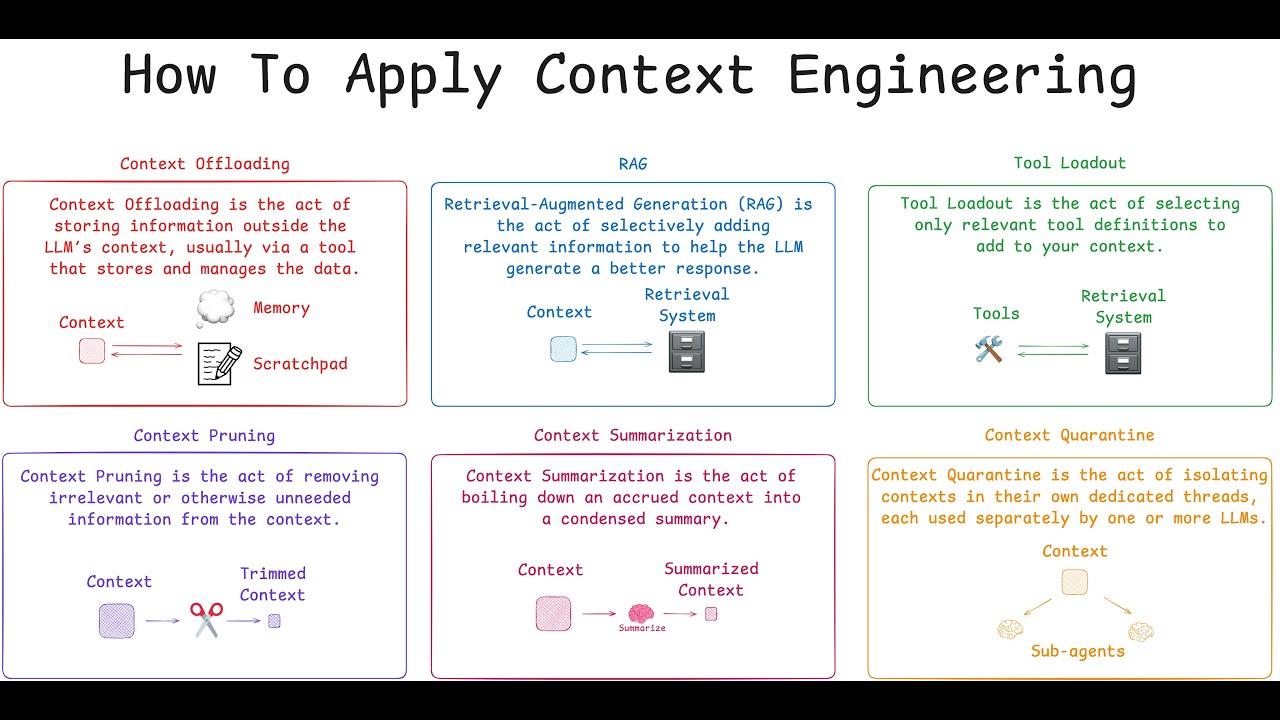
Phase 9 is the work of maintaining the context agents rely on, where humans own freshness, permissions, citations, and retrieval quality across the lifecycle.
Maintain the context agents rely on: fresh, grounded, permission-aware, source-aware, and traceable.
Decision rules
Each rule connects a real situation to the skill or playbook that fits it. Linked terms open canonical sources.
| Situation | Missing skill | Recommended playbook | Alternatives | Why |
|---|---|---|---|---|
| A coding agent keeps wasting tokens or missing context the team already has somewhere. | Context engineering | context-engineering-collection | Manual prompt tuning | The context-engineering collection is the default playbook; bespoke prompt tuning is the right move only when the standard collection has been tried and a specific gap remains. |
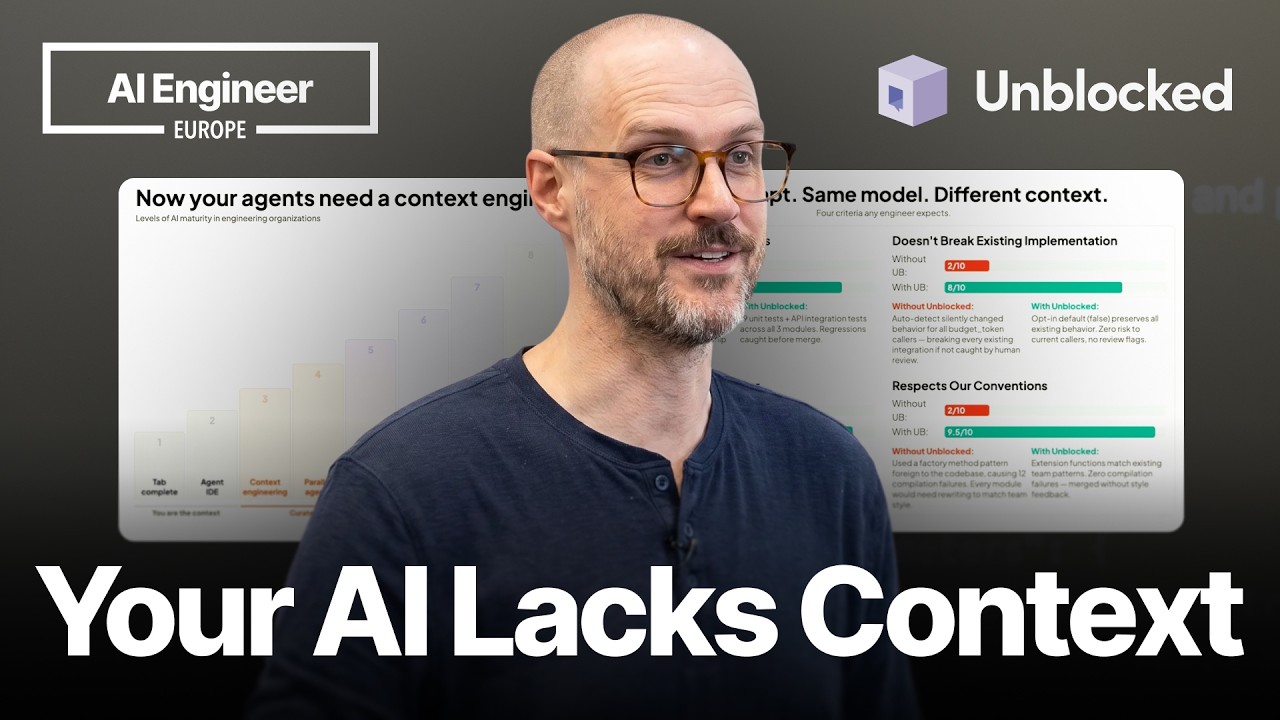
| An agent can reach every system — Slack, Jira, GitHub, docs — but still surfaces stale or conflicting context and can't tell which source is current or authoritative. | Source-aware context resolution | Unblocked | Glean; naive RAG | Access is not understanding: MCP connectors give a pipe and naive RAG gives documents, but a context engine like Unblocked resolves recency, ownership, and source conflict so retrieval is task-aware — one example of an emerging pattern, not the only answer. Enterprise search such as Glean overlaps but is tuned more for people finding docs than for deconflicting which source an agent should trust. |
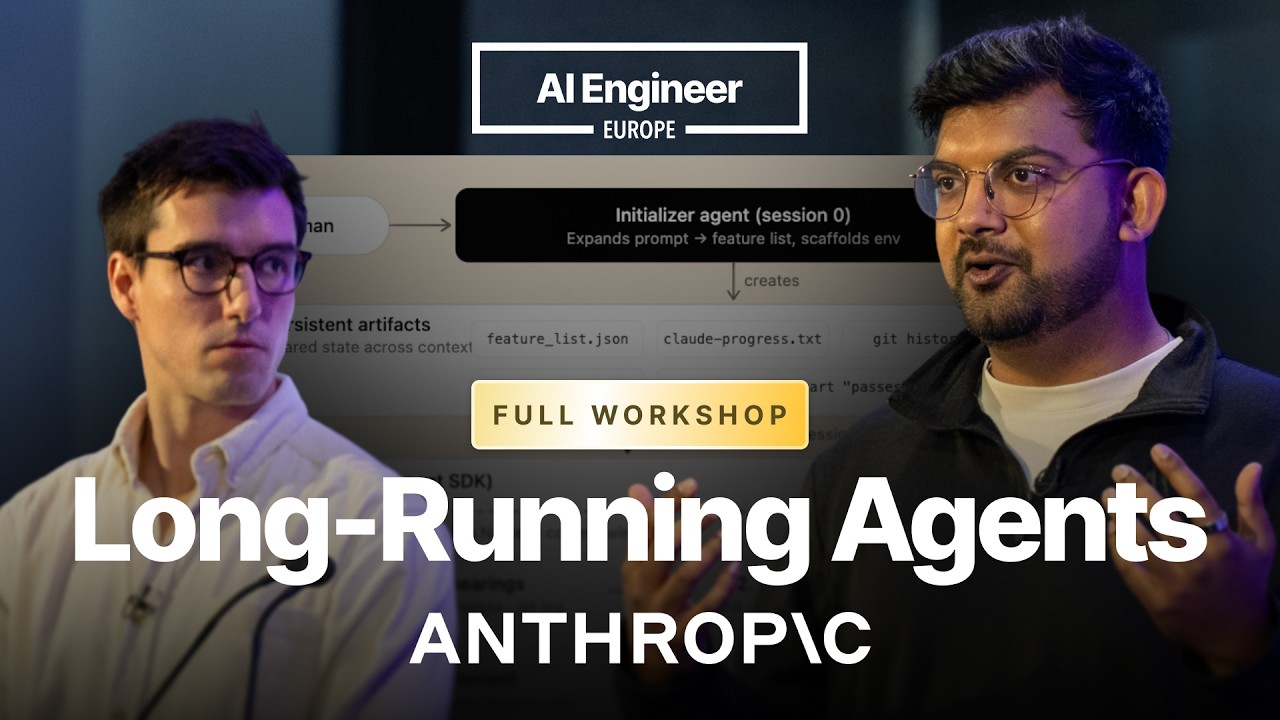
| The team keeps re-learning the same lessons from work that's already been finished. | Learning extraction | Glean | Manual post-mortem doc | Glean surfaces accumulated learnings where they can be cited by agents and people; a manual post-mortem doc captures one lesson well but doesn't compound. |
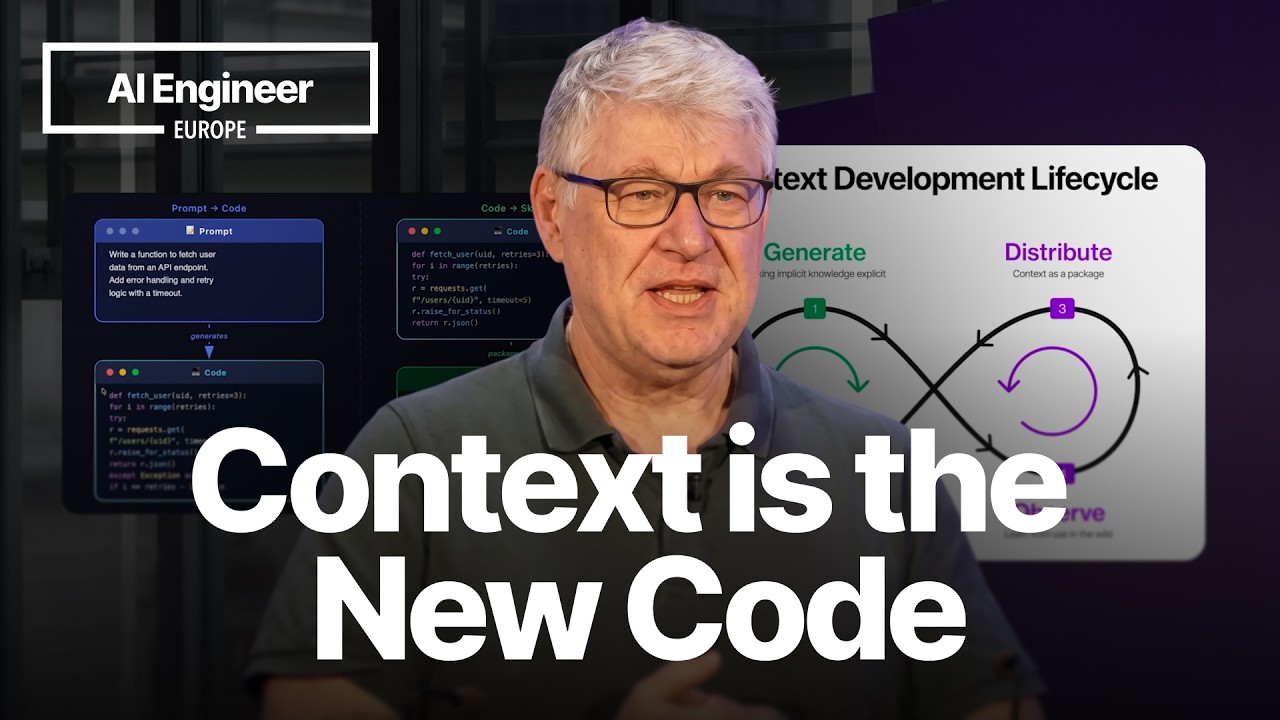
| Knowledge in the org is fresh but uncited, scattered, and unfindable by agents. | Compound context maintenance | ce:compound | Dust.tt | Ce:compound builds a graph the agent can cite and refreshes on a schedule; Dust.tt is the hosted equivalent when you'd rather buy than build. |
| New teammates — human or agent — take weeks to become productive in the codebase. | Onboarding documentation | Mintlify | CONTEXT.md + ADRs | Mintlify gives you human-readable docs that double as agent context; CONTEXT.md + ADRs is the lower-overhead path when the audience is mainly engineering. |
Watch
Reality
Knowledge graphs, docs, examples, retrieval systems, and context engines are prerequisites for useful agents across the lifecycle. Access to Slack, Jira, GitHub, Notion, or docs does not mean the agent understands which source is current, trusted, or authoritative.
Required skills
- Context engineering
- Documentation quality review
- Retrieval evaluation
- Knowledge freshness management
- Permission-aware information design
Viable tools
Failure modes
- Stale context
- Permission leaks
- Uncited answers
- Source conflict
- Doc drift
Next operating step
Audit context readiness with freshness, permissions, citations, examples, retrieval logs, source conflicts, ownership, doc drift, and clear responsibility for maintaining knowledge.
Working through Knowledge & Context Layer?
I advise teams on this part of the lifecycle. Get in touch → if you want a direct, vendor-free conversation about what's worth doing next.