Phase 5 of 12 · Engineering Operator
Agentic Build
Phase 5 is the work of accelerating engineering inside human-controlled development loops, where issue slicing, context, review, and supervision keep agents honest.
Accelerate engineering work inside human-controlled development loops.
Decision rules
Each rule connects a real situation to the skill or playbook that fits it. Linked terms open canonical sources.
| Situation | Missing skill | Recommended playbook | Alternatives | Why |
|---|---|---|---|---|
| An issue is too vague for a coding agent to ship a reviewable PR from it. | Issue slicing and supervision | ce:work | Linear Agent issue prep | Ce:work frames the issue with acceptance criteria, repo context and tests; Linear's prep flow is lighter and assumes the team already has those conventions. |
| A build task spans several files and the coding agent keeps losing the plot. | Subagent orchestration | subagent-driven-development | Pair programming with the agent | Subagent-driven-development splits the work into parallel subtasks with a supervising lead; pair programming keeps one agent in the loop, which is slower but safer for tightly coupled work. |
| Generated code passes its tests but ships behaviour that doesn't match intent. | Test-first execution | test-driven-development | verification-before-completion | TDD makes a failing test the spec the agent has to satisfy; verification-before-completion catches the same class of bug at the end, which is later and more expensive. |
| A coding agent is losing context on a large repository it can't fit in its window. | Context engineering | context-engineering-collection | Augment Agent / Sourcegraph Amp | The context-engineering collection tightens prompts, chunks and tool boundaries first; reach for Augment or Amp when the codebase itself is the bottleneck and needs an index. |
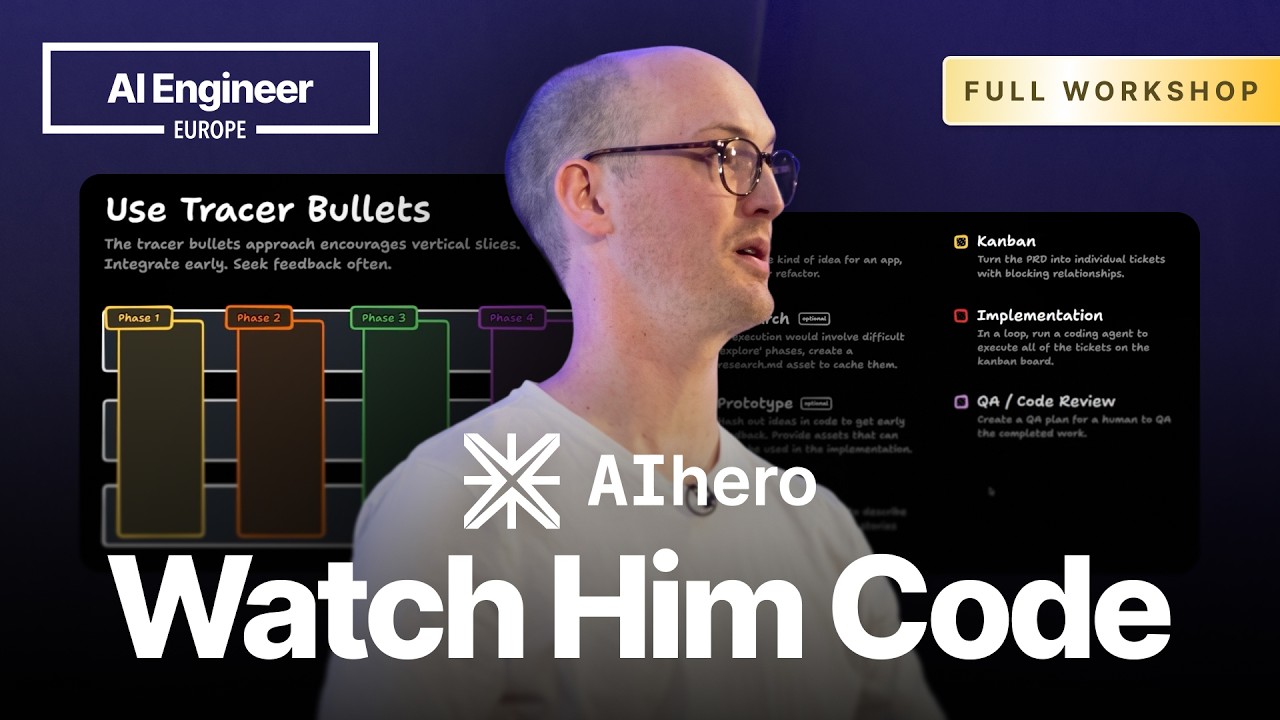
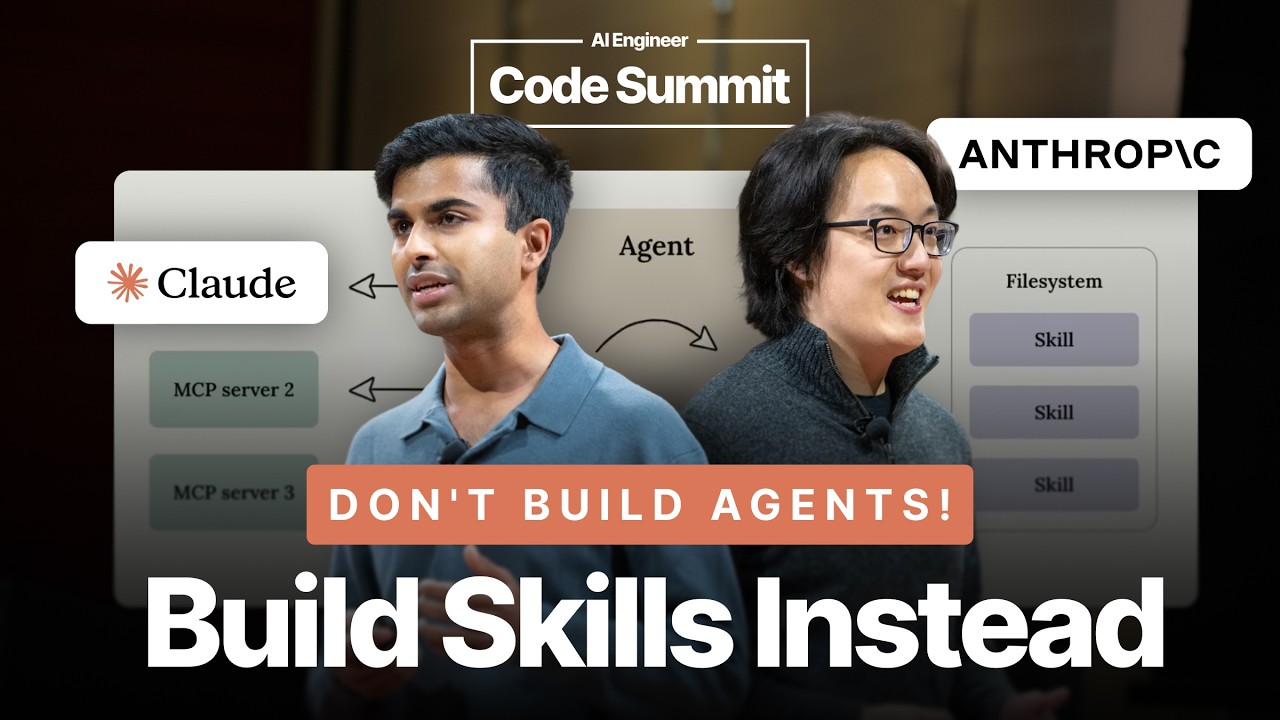
Watch
Reality
The enterprise centre of gravity is agentic IDEs, CLI agents, and issue-to-PR workflows, not unsupervised autonomous software engineers.
Required skills
- Issue slicing
- Context engineering
- Review-ready implementation
- Test-first execution
- Agent supervision
Viable tools
Failure modes
- Losing the plot in legacy code
- Review debt
- Context poisoning
Next operating step
Use coding agents inside reviewable development loops: small issues, clear acceptance criteria, repo context, tests, human review, and evidence attached to the PR.
Working through Agentic Build?
I advise teams on this part of the lifecycle. Get in touch → if you want a direct, vendor-free conversation about what's worth doing next.